What a design process actually looks like
“Landscape design” sounds like drawings. The drawings are step three. Open each step to see what you're paying for and what to bring to it.
01The site read
02The program
03The plan
04Phasing
A plan you own outright — paid for as its own deliverable — can be bid to any crew. A “free design” belongs to the company that drew it.
Design here starts with subtraction
The strongest Santa Fe yards do less: fewer species repeated with intent, gravel and stone doing the ground-plane work, shade placed where people actually sit, and irrigation only where it earns its water. That restraint isn't a style preference — it's what the altitude, the water budget and the maintenance hours you really have all converge on.
The palette question, honestly
Every plant on the plan has to clear three bars at once: cold-hardy for your USDA zone, dry-tolerant once established, and tough under the UV at high altitude. The plants that clear all three are a known, generous list — natives and high-desert adapted species — and a designer working here should name them by botanical name without reaching for a book.
What the plan should hand you
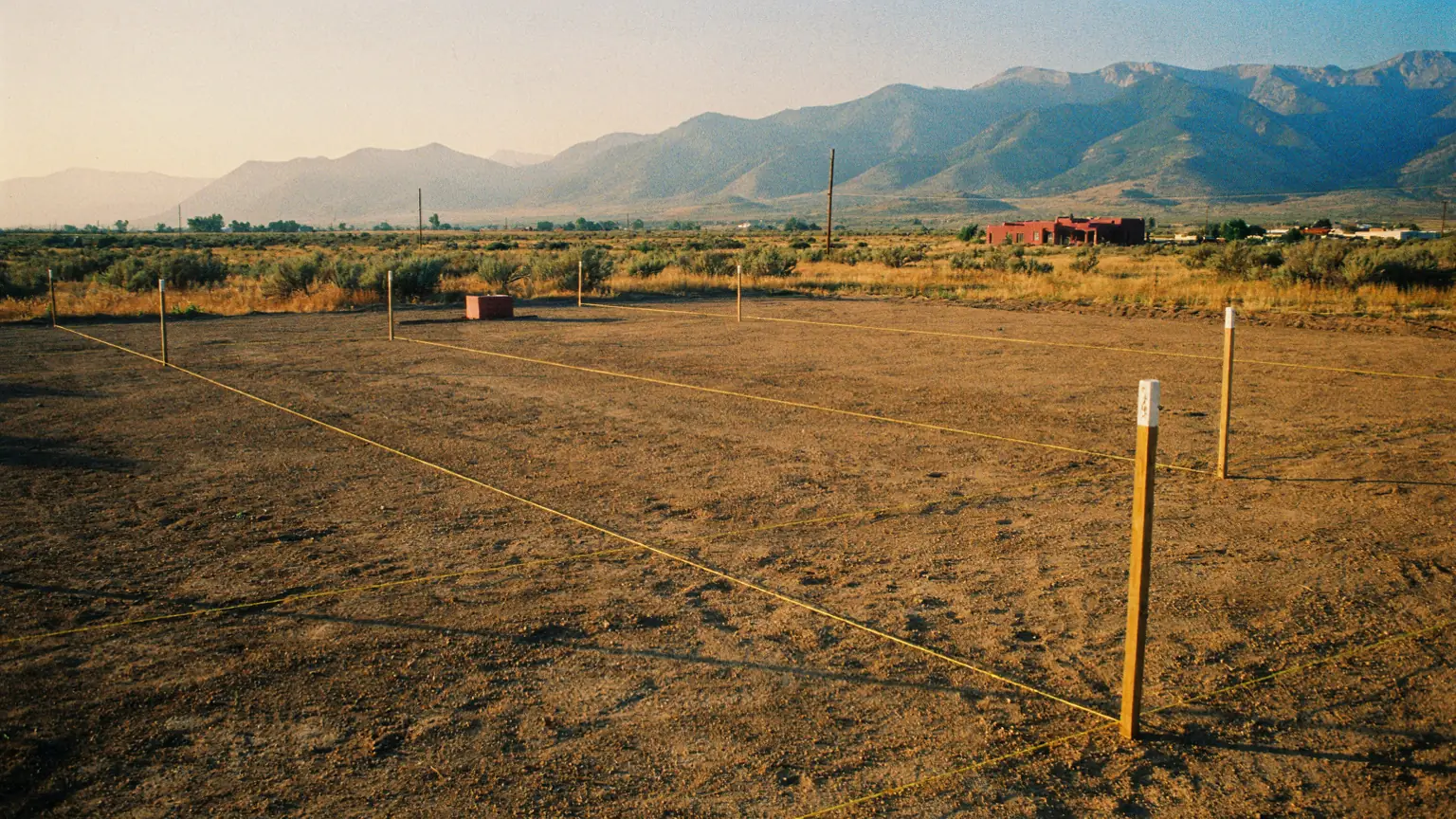
- A layout you can walk in string lines before anything is built.
- A plant schedule by botanical name, with sizes and counts — the thing that makes the plan biddable by any crew.
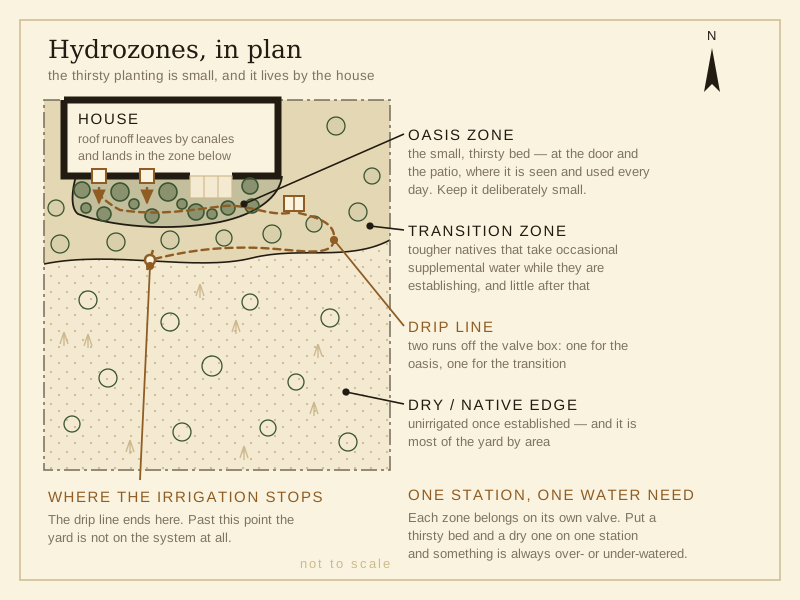
- An irrigation concept split into hydrozones, so thirsty and dry plants never share a valve.
- A phasing map — what's built now, what waits, and why the order is hardscape and trees first.